
To deep clean kitchen naturally, use common pantry staples like white vinegar, baking soda, and lemon juice to effectively cut through grease and disinfect surfaces. These non-toxic alternatives sanitize appliances and countertops without harsh chemicals; consequently, they create a safer, healthier environment for your home and family.
Walking into a kitchen that smells of harsh bleach and synthetic perfumes often feels more like a chemistry lab than the heart of a home. For many homeowners, the challenge lies in balancing a rigorous deep clean with the safety of their family and the long term integrity of their premium surfaces. Chemical residues can linger on food preparation areas, while abrasive cleaners may dull the finish of your cabinetry over time. Transitioning to natural methods is not merely about being eco-conscious; it is about achieving a superior level of sanitation without compromising your indoor air quality. In this guide, we provide professional techniques to degrease cabinets using plant-based solutions, master a non-toxic oven scrub, and revitalize your sinks with natural power. You will discover how to maintain a pristine, Highland-standard kitchen using effective ingredients that treat your home with the care it deserves.
Why You Should Deep Clean Your Kitchen Naturally
The kitchen serves as the busiest hub in most Alness households, making it the most critical area to maintain with non-toxic methods. While conventional degreasers and oven cleaners promise a quick shine, they often rely on Volatile Organic Compounds (VOCs) to achieve results. These chemicals, such as butane and ethanolamine, evaporate into the air we breathe and can linger on food preparation surfaces long after the scrubbing is done. For families with young children or pets who are more sensitive to respiratory irritants, these invisible residues present a genuine health concern.
Choosing to deep clean kitchen naturally is about more than just aesthetics; it is about indoor air quality. At Highland Squeaky Clean, our mission is built on the efficacy of plant-based, homemade products that provide a thorough sanitization without the harsh chemical footprint. Traditional store-bought foams often require heavy ventilation and rubber gloves to prevent skin burns or dizzying fumes. In contrast, natural solutions utilize the inherent power of organic ingredients to lift grease and carbonized food safely.
Beyond the walls of your home, using eco-friendly methods protects the local Highland environment. Every chemical rinsed down the drain eventually impacts our local water systems. By opting for eco-friendly house cleaning practices, you ensure that no synthetic toxins are introduced into the Alness ecosystem. Our approach focuses on high-performance, simple ingredients that offer a professional-grade finish while keeping your living space a safe, breathable sanctuary for everyone in the household.
Essential Eco-Friendly Tools and Ingredients

Transitioning from chemical-based products to a plant-based kit requires an understanding of basic chemistry rather than a large budget. To deep clean kitchen naturally, we focus on four primary ingredients: white vinegar, bicarbonate of soda, lemon, and castile soap. White vinegar is an effective acetic acid, which makes it ideal for dissolving the mineral deposits and limescale often found in Alness water. On the opposite end of the pH scale, bicarbonate of soda acts as a mild alkali, reacting with grease and fatty acids to turn them into a water-soluble substance that wipes away effortlessly.
Castile soap serves as a gentle surfactant, while lemon provides citric acid for additional sanitization. The effectiveness of these ingredients is amplified by using professional-grade tools like high-quality microfiber cloths, which trap dust more efficiently than paper towels. We also recommend bamboo scrubbers as a durable, biodegradable alternative to plastic sponges. Utilizing these tools allows our eco-friendly house cleaning methods to remain both sustainable and high-performing. By choosing concentrated, raw ingredients, you eliminate the need for the fillers and synthetic fragrances found in mass-market cleaners, ensuring your home remains free from unnecessary chemical exposure.
Ingredient | Primary Cleaning Function | Chemistry Type |
|---|---|---|
White Vinegar | Dissolves limescale and hard water buildup | Acidic |
Bicarbonate of Soda | Tackles grease and provides gentle abrasion | Alkaline |
Castile Soap | Emulsifies oils and lifts surface dirt | Surfactant |
Lemon | Cuts through grime and adds antibacterial properties | Citric Acid |
Degreasing Cabinets and Surfaces without Toxins
To effectively degrease your cabinets, you can create a powerful, plant-based solution using items already in your pantry. Combine 500ml of warm water with two tablespoons of liquid castile soap and ten drops of lemon essential oil in a glass spray bottle. The soap acts as a surfactant to lift oils, while the lemon essential oil provides additional solvent power against stubborn cooking splatters.
When applying this solution, always work from top to bottom. This methodical approach prevents dirty water or loosened grime from dripping onto sections you have already cleaned. For the modern high-gloss finishes found in newer Alness developments, use a soft microfiber cloth to avoid micro-scratches and buff the surface dry immediately to prevent streaks. If your home features traditional Highland oak or other solid wood cabinetry, apply the mixture to your cloth rather than the wood itself. Wipe in the direction of the grain to lift grease trapped in the natural texture without saturating the timber.
A significant benefit when you deep clean kitchen naturally is the elimination of the "sticky residue" left by many commercial sprays. Traditional degreasers often contain synthetic oils or waxes that leave a microscopic film on surfaces. This film acts as a magnet for airborne dust and cooking vapours, causing grime to build up faster. By utilizing our eco-friendly house cleaning techniques, you ensure that surfactants rinse away completely. This leaves the surface truly bare, which is essential for maintaining the longevity of high-quality finishes and reducing the frequency of heavy scrubbing. For residents who prefer a professional touch, our deep cleaning services utilize these exact principles to ensure every surface is stripped of grease without compromising indoor air quality.
The Ultimate Natural Oven Cleaning Method
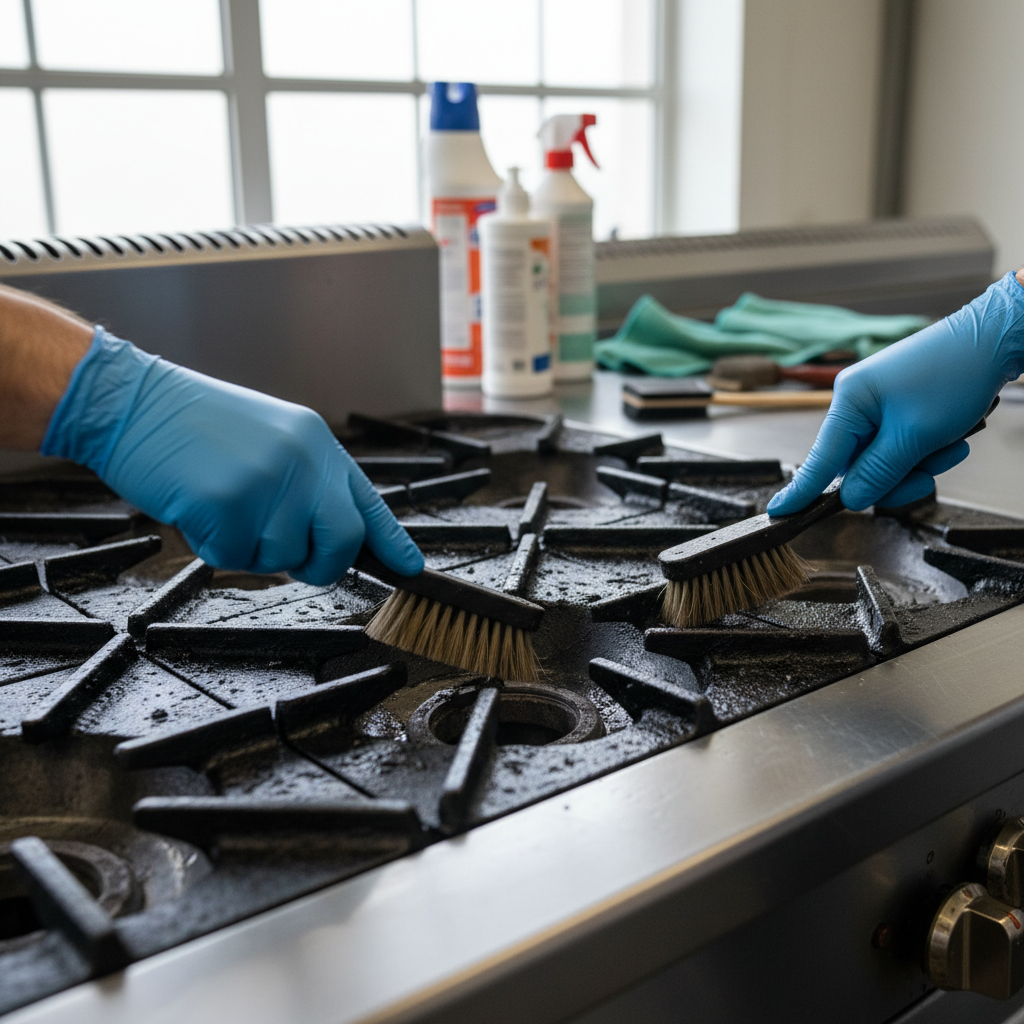
Once the exterior surfaces are degreased, the focus must shift to the interior of the oven, often the most daunting task in any kitchen. Traditional oven cleaners rely heavily on sodium hydroxide, a caustic chemical that requires thick rubber gloves and the opening of every window in your Alness home to avoid inhaling acrid, irritating fumes. Similarly, the high-heat 'self-clean' cycle can produce unpleasant smells and put unnecessary strain on the appliance's electrical components. To deep clean kitchen naturally, the bicarbonate of soda paste method is the professional standard for both safety and effectiveness.
Begin by mixing approximately half a cup of bicarbonate of soda with a few tablespoons of water in a small bowl. Adjust the ratios until you achieve a spreadable, paste-like consistency similar to shaving cream. After removing the oven racks, use a sponge or a silicone spatula to coat the entire interior surface, paying extra attention to areas with heavy carbonization. Ensure you avoid the heating elements to prevent damage or smoke during future use. As the paste works, it will likely turn a brownish colour, which indicates it is successfully lifting the grease and burnt-on food.
For the best results, allow the paste to sit for at least twelve hours or overnight. This duration is essential for the alkaline soda to chemically break down tough, baked-on proteins and fats. The following morning, take a damp microfiber cloth and wipe away as much of the dried paste as possible. For any stubborn patches that remain, lightly spray the area with white vinegar. The resulting foaming reaction provides a final lift for the carbonized residue, allowing you to wipe the surface to a smooth finish without any toxic chemical scents lingering in your home. This thorough approach is a core part of our eco-friendly house cleaning philosophy, ensuring your cooking environment is pristine and chemical-free.
Revitalizing Sinks and Drains with Plant-Based Power
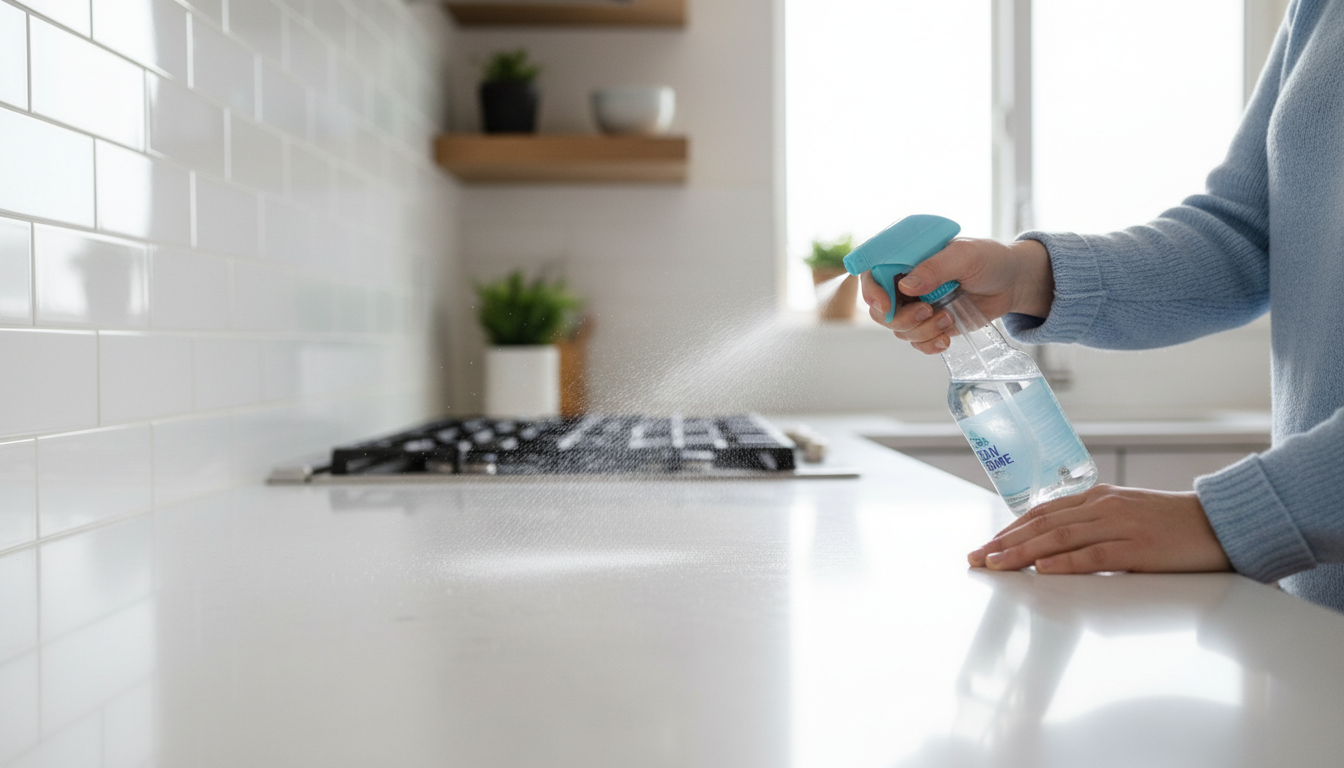
After the oven is set to soak, attention should turn to the kitchen sink, which is often the most germ-laden area in the home. To deep clean kitchen naturally, start by scrubbing the basin with a bicarbonate of soda slurry to lift surface stains. For the stainless steel sinks common in Alness households, a lemon half acts as a natural scouring pad that dissolves mineral film. Once the surface is clean and dry, apply a single drop of olive oil to a high-quality microfiber cloth and buff the metal in circular motions. This creates a hydrophobic barrier that repels water spots and provides a mirror-like shine without using petroleum-based polishes.
Drains require a different approach to manage organic buildup. While the Highlands are known for soft water that limits heavy limescale, the absence of hard minerals does not prevent the accumulation of food particles and soap scum. Pour half a cup of bicarbonate of soda down the plughole followed by a cup of white vinegar. The resulting fizzing action mechanically loosens grime from the pipe walls. After ten minutes, flush the drain with a kettle of boiling water to clear the residue. This routine maintenance is a staple of our eco-friendly house cleaning protocols, ensuring your plumbing remains fresh and clear without the use of corrosive, pipe-damaging sulphuric acid cleaners.
Eco-Friendly Floor Care for Kitchen Tiles and Wood
Transitioning from sinks to floors requires a method that avoids the dulling film often left by synthetic floor cleaners. When you deep clean kitchen naturally, the goal is to lift stubborn dirt rather than replacing it with a layer of synthetic wax or artificial fragrance. For ceramic or porcelain tiles common in many Alness homes, a solution of one part white vinegar to four parts warm water is ideal. The mild acidity of the vinegar breaks down lingering grease and ensures a sanitised finish that dries quickly without the need for a secondary rinse.
If your kitchen features sealed hardwood or high-quality laminate, avoid vinegar, as the acidity can degrade the protective finish over time. Instead, opt for a very dilute mixture of castile soap; no more than one teaspoon per four litres of warm water is necessary. Achieving a streak-free result, a common concern when moving away from chemical shine enhancers, relies on two specific practices. First, change your mop water frequently as soon as it appears cloudy to avoid redistributing grime. Second, use a flat microfiber mop head to ensure even contact. For the most pristine results, a final pass with a dry cloth will remove any remaining moisture and prevent water spots. Our deep cleaning services frequently help residents reset their floors by stripping away the sticky residues left by previous eco-friendly house cleaning attempts that used too much product.
Maintaining a Squeaky Clean Kitchen Year Round
Adopting a "clean as you go" mindset significantly reduces the effort required to deep clean kitchen naturally during seasonal shifts. Integrating specific daily habits keeps residues from hardening and prevents the buildup of organic matter.
Wipe induction hobs or stove surrounds immediately after cooking while the surface is still slightly warm to prevent grease polymerization.
Dry the sink and taps with a cloth after the final evening wash to prevent the Highland water from leaving dulling mineral spots.
Empty toaster trays and wipe microwave interiors weekly to stop food particles from carbonising.
Consistency ensures your home remains a healthy environment, but even the most diligent routine can miss hidden dust behind appliances or grime inside heavy cabinetry. Scheduling professional deep cleaning services twice a year provides a necessary reset for your home. Highland Squeaky Clean applies the same eco-friendly house cleaning principles you use daily, providing the industrial rigor and specialized homemade formulas required for a truly restorative finish.