
An end of tenancy cleaning checklist is an essential tool for ensuring a rental property is returned in top condition to secure a full security deposit refund. This guide outlines room-by-room tasks like deep cleaning appliances, sanitizing bathrooms, and vacuuming floors to meet landlord expectations. Following these steps helps tenants avoid common move-out disputes and ensures a smooth handover process.
Moving house across the Highlands is an exhausting feat that often culminates in a high stakes battle for your security deposit. Even the most diligent tenants can fall victim to deductions over hidden dust on skirting boards or limescale buildup that went unnoticed for months. At Highland Squeaky Clean, we understand that a standard surface wipe is insufficient to meet the rigorous expectations of Scottish letting agents and landlords. This guide provides a definitive, room by room roadmap to ensuring your property returns to its pristine, move in condition. We will explore the critical importance of the kitchen, the necessity of banishing bathroom mould, and why plant based cleaning agents offer a superior finish for your final inspection. Whether you are tackling the scrub yourself or considering a professional hand, these expert insights will help you secure every penny of your deposit.
Why Your Move Out Clean is Different in Scotland
Navigating a move in the Highlands involves more than just packing boxes; it requires a clear understanding of how Scottish tenancy laws impact your security deposit. Unlike the rest of the UK, Scotland operates under a distinct regulatory framework. Your deposit is typically held by one of three approved schemes, most commonly SafeDeposits Scotland or MyDeposits Scotland. These organizations act as impartial adjudicators, but their decisions rely heavily on the documented condition of the property during the final inspection.
In the North of Scotland, cleaning remains the number one reason for deposit disputes. Landlords in Alness and the surrounding areas often maintain high standards for their properties, and they expect the home to be returned in the same state it was received, minus fair wear and tear. It is vital to distinguish between the two. Fair wear and tear refers to the natural deterioration of a property over time, such as the slight fading of paint or the thinning of a carpet pile in high traffic areas. However, dust, grease, and limescale are classified as cleaning issues, not wear and tear. Using a structured end of tenancy cleaning checklist tailored to these local expectations is the most effective way to protect your money.
When a dispute arises, the burden of proof often falls on the tenant to show the property was cleaned to a professional standard. Understanding cleaning rates and options early in the process can help you decide if a DIY approach or a professional service is best for your situation. Taking the time to meet Scottish standards ensures a smoother transition and a much faster deposit return.
The Eco Friendly Advantage: Why Plant Based Cleaning Matters for Your Deposit

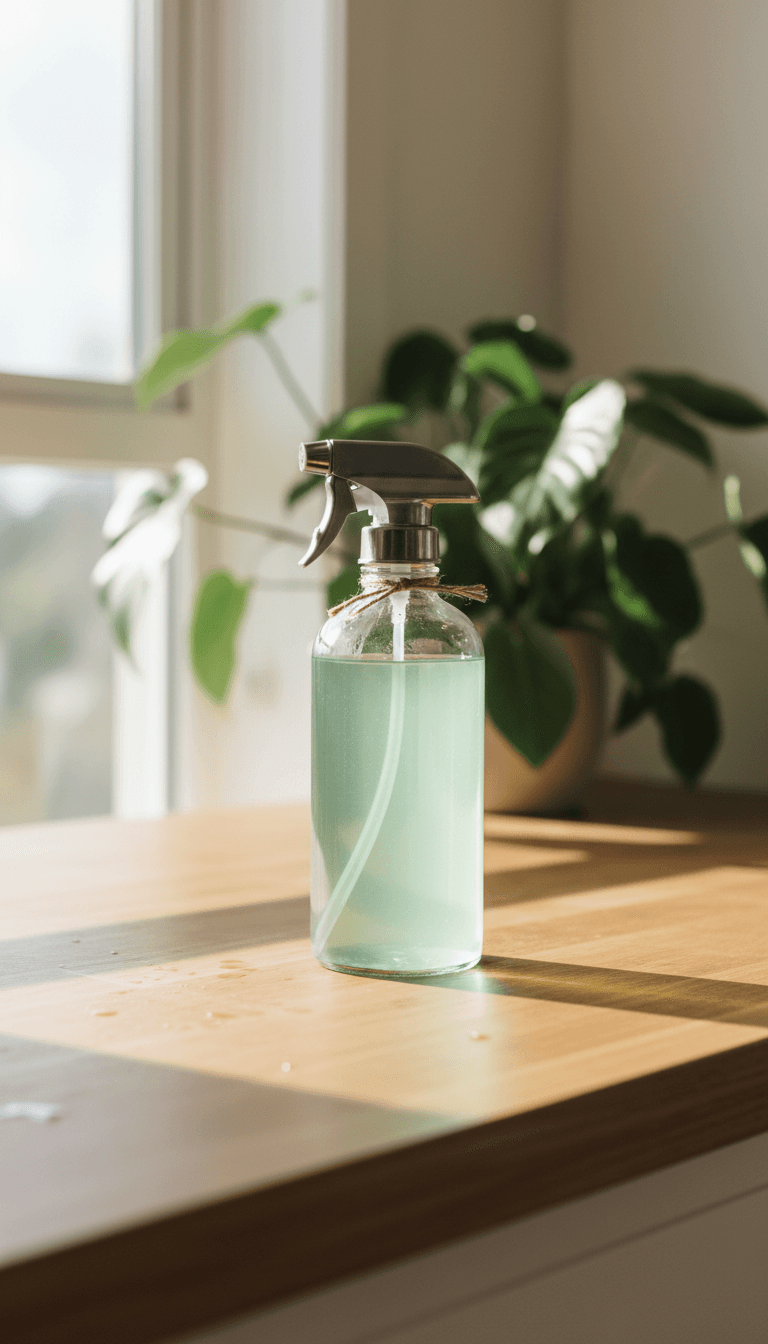
Choosing eco-friendly cleaning services is a strategic move for securing your deposit. Unlike industrial cleaners that leave a heavy, artificial odor, plant-based solutions provide a deep clean without the tell-tale chemical mask that might suggest you are hiding an issue to a keen-eyed inspector. We utilize homemade formulas featuring distilled vinegar for its natural descaling properties and essential oils like peppermint or lemon for a naturally fresh finish. These ingredients are incredibly effective at lifting grime without leaving sticky residues behind. Such residues are common with standard commercial sprays and can actually attract more dust while the property sits vacant before the final inspection.
In rural Highland communities, many rental properties transition between families with pets or young children. Landlords increasingly appreciate a home that is biologically safe and free from toxic fumes. Using plant-based methods ensures that high-contact surfaces, such as skirting boards or kitchen counters, are safe for the next tenants immediately upon arrival. When you follow your end of tenancy cleaning checklist, opting for these gentle but powerful ingredients prevents the risk of accidental damage to surfaces like delicate woodwork or natural stone, which often occurs with abrasive store-bought chemicals. This approach guarantees a finish that meets the rigorous standards of Highland letting agents while maintaining the integrity of the property’s materials.
Kitchen: The Main Area for Deposit Deductions
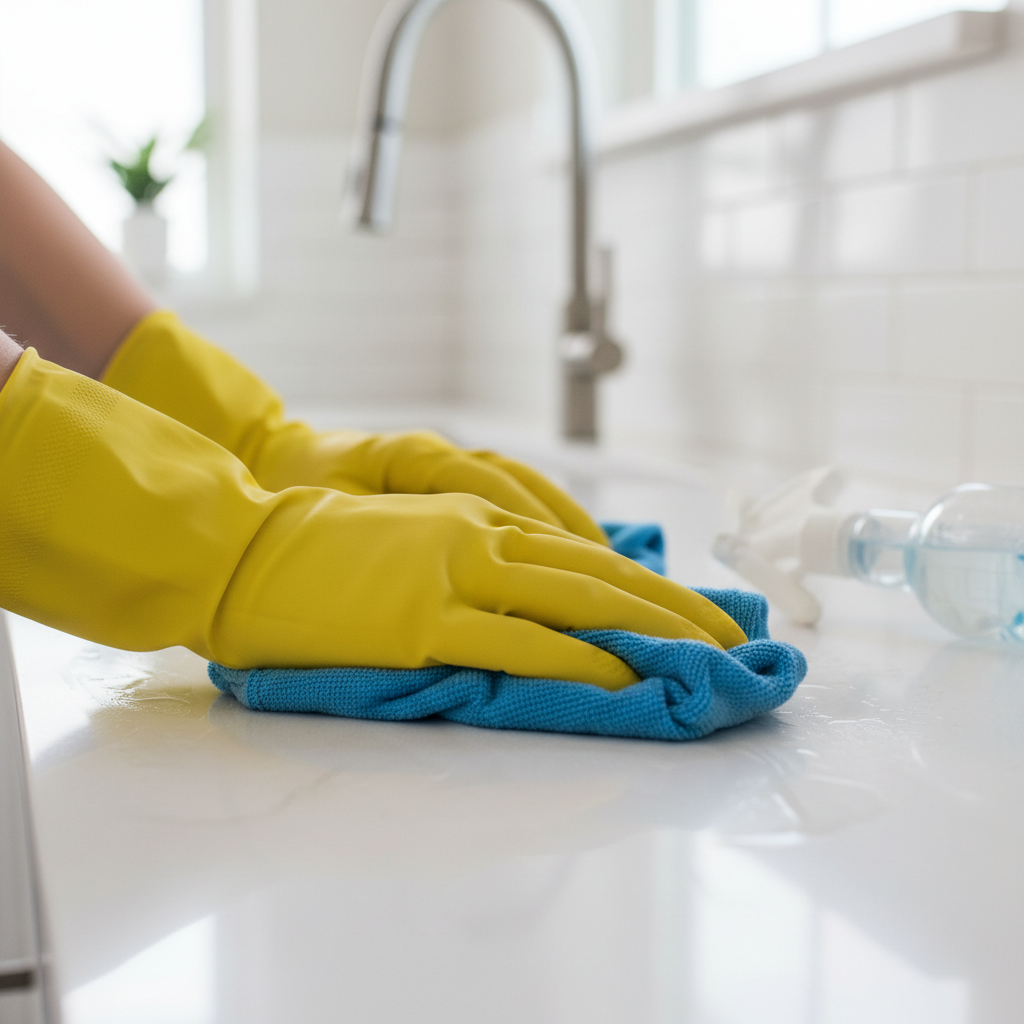
Applying these plant-based methods is nowhere more critical than in the kitchen. In Alness and Invergordon, the kitchen is the primary area where deposit deductions occur because grease and food residue accumulate in places easily missed during a standard tidy. If your end of tenancy cleaning checklist does not prioritize these granular details, you risk losing a significant portion of your deposit to professional cleaning fees.
The oven is the single biggest flashpoint for disputes. Landlords expect the interior, wire racks, and the glass door to be entirely free of carbonized food and grease. A thick paste made from bicarbonate of soda and a small amount of water is the most effective eco-friendly way to tackle this. Apply the paste, let it sit for several hours to break down the burnt-on grime, and then wipe it away. This avoids the need for caustic chemicals that leave behind dangerous fumes in a confined space.
Beyond the oven, several areas require specific attention to pass a Highland letting agent's inspection:
Extractor Fan: Remove the grease filters and soak them in hot water with a natural degreaser. Ensure the housing unit is wiped clean of any sticky residue.
Fridge and Freezer: Plan to defrost the freezer at least 24 hours in advance. Wipe down the seals and the drainage hole. You must move the appliance to clean the floor and wall behind it, where dust and debris frequently gather.
Cupboards: Clean the inside of every drawer and cupboard. Crucially, wipe the tops of wall-mounted units. In many Highland homes, cooking grease rises and mixes with dust to create a stubborn, tacky layer on these high surfaces.
Sink and Taps: Use a vinegar-based solution to descale the taps and the drainer. Limescale buildup around the base of the tap is a common reason for a failed inspection.
Kitchen Feature | Standard for Deposit Return |
|---|---|
Oven Racks | Silver and smooth to the touch, no burnt-on residue. |
Extractor Filter | Completely free of grease and transparent/clean. |
Cupboard Interiors | No crumbs, stains, or ring marks from jars. |
Sink and Taps | Polished, streak-free, and cleared of all limescale. |
Taking the time to address these specifics ensures the most used room in the house meets professional standards. If the scale of grease in the kitchen feels overwhelming, you can get in touch with our team to handle the deep cleaning for you.
Living Areas and Bedrooms: From Dusting to Floors
Moving from the grease-heavy kitchen into the living areas and bedrooms shifts the focus toward dust accumulation and floor maintenance. In many Alness rentals, especially older Highland properties with high ceilings, dust settles in places that are easily overlooked during a standard weekly tidy. A thorough end of tenancy cleaning checklist must include the tops of door frames, curtain rails, and the thin ledges of skirting boards. Use a damp microfiber cloth to trap dust rather than spreading it into the air. Similarly, wipe down all light switches and plug sockets to remove the oils and fingerprints that become visible under an inspector’s torch.
Flooring in Highland homes requires specific care depending on the material. For hardwood or laminate floors, avoid saturating the wood. A well-wrung mop and a diluted vinegar solution effectively lift dirt without causing the boards to swell. For the deep pile carpets often chosen for warmth in Scottish winters, vacuuming requires more than a quick pass. Use a crevice tool to clean the extreme edges where the carpet meets the wall. This is where pet hair and grit accumulate, and it is a primary area letting agents inspect to determine if a professional deep clean is necessary.
Area | Focus Point | Common Oversight |
|---|---|---|
High Levels | Curtain rails and door tops | Accumulated dust layers |
Fixtures | Light switches and sockets | Fingerprints and smudges |
Floor Edges | Skirting board junctions | Pet hair and carpet grit |
Glass | Internal and external panes | Streak marks or salt spray |
Finally, consult your tenancy agreement regarding windows. If it stipulates cleaning inside and out, ensure the glass is clear of Highland salt spray or grime. Using our eco-friendly cleaning services ensures these surfaces are streak-free without the use of harsh solvents. If the task of detailing every skirting board feels daunting, reviewing our cleaning rates and options can help you budget for a professional finish.
Bathrooms: Banishing Limescale and Mould
In the Highlands, hard water frequently leaves stubborn mineral deposits on fixtures that standard wiping won't touch. Your end of tenancy cleaning checklist must specifically address limescale buildup on shower heads and around the base of taps. A simple but effective method involves soaking a cloth in white vinegar and wrapping it around the affected area for at least an hour; this dissolves the crust without the need for heavy scrubbing that could scratch the chrome surfaces.
Mould in tile grout or around silicone seals is a major red flag for landlords and a common reason for deposit deductions. We recommend using a paste of bicarbonate of soda and a small amount of water, scrubbed with a stiff brush, to lift these stains naturally. This avoids the use of harsh bleach, which can actually degrade grout over time. Do not forget the extractor fan. A dusty or blocked fan prevents proper ventilation, often leading to the very moisture issues you are trying to avoid. Vacuum the vent cover and ensure the fan is pulling air effectively to satisfy inspection requirements.
Bathroom Feature | Cleaning Goal | Highland Tip |
|---|---|---|
Shower Screen | Zero water spots or streaks | Dry with a squeegee, then polish with a microfiber cloth |
Grout Lines | Uniform color, no orange or black spots | Use a bicarb paste for a deep, non-toxic lift |
Taps and Shower Head | Mirror-like finish with no white crust | A vinegar soak is essential for Alness hard water |
To achieve a truly professional finish, polish mirrors and glass screens until they are completely streak-free. Using our eco-friendly cleaning services ensures these surfaces shine without the hazy film often left by commercial sprays. A final buff with a dry, clean cloth provides the high-gloss look that signals a well-maintained home to any letting agent.
The Final Walkthrough: Inventory and Evidence

The original move-in inventory serves as the legal benchmark for your final walkthrough. Your goal is to return the property to the exact state documented when you received the keys. By using your end of tenancy cleaning checklist alongside this document, you can systematically prove you have met your obligations.
Detailed photographic evidence is essential for protecting your deposit against subjective claims. Capture clear, well-lit images of the flashpoints that Highland letting agents scrutinize: the interior of the oven, the back corners of cupboards, and the edges of the carpets where they meet the skirting boards. Take these photos after the cleaning is complete but before you hand back the keys. This creates a timestamped record that reflects the true state of the home.
Keep all documentation, including receipts for eco-friendly cleaning services or specialized plant-based products. If a landlord suggests the property requires a professional level clean, providing an invoice from a reputable local business often settles the matter immediately. This evidence is vital if you need to submit a response to SafeDeposits Scotland or MyDeposits Scotland. A well-documented exit demonstrates that you have acted with care and professional standards, making it significantly harder for a landlord to justify deductions for cleaning issues.
DIY vs. Hiring Professional End of Tenancy Cleaners
Deciding between a self-clean and professional assistance often comes down to a balance of time and risk. A comprehensive deep clean of a Highland cottage or apartment generally requires twelve to sixteen hours of intensive work to reach the standard required for a full deposit return. When you account for the cost of sourcing effective plant based ingredients and the physical toll of scrubbing floors after a long day of moving, hiring a specialist becomes a practical investment.
Our cleaning rates and options reflect our commitment to local Alness residents, with transparent pricing between £15 and £19 per hour. This professional intervention ensures that every detail of your end of tenancy cleaning checklist, from the descaled taps to the degreased extractor fan, is handled with expert precision. By choosing our eco-friendly cleaning services, you eliminate the stress of potential disputes with landlords while supporting a sustainable local business.
Consideration | DIY Cleaning | Highland Squeaky Clean |
|---|---|---|
Labor Time | 12 to 16+ hours | Professional efficiency |
Equipment & Supplies | Extra cost and sourcing | Included (plant-based) |
Deposit Security | Risk of missed spots | Professional standard clean |
Cost | Unpaid personal time | £15 to £19 per hour |
If you prefer to hand over the keys with total confidence, get in touch with our team to schedule your clean. We provide the meticulous attention to detail that ensures the property is returned in a state that reflects the original inventory, giving you the peace of mind that your deposit is secure.